If you have ever been told that your spine is "out of alignment" or that a bone "slipped out of place," you are not alone. It is one of the most common ways people describe back and neck problems. It is also not quite accurate, and understanding the difference can change how you think about your care.
At Evolve Chiropractic in Clinton Township, we work from a more modern, movement based model. Here is what the research actually points to.
A Joint Does Not Just Pop Out
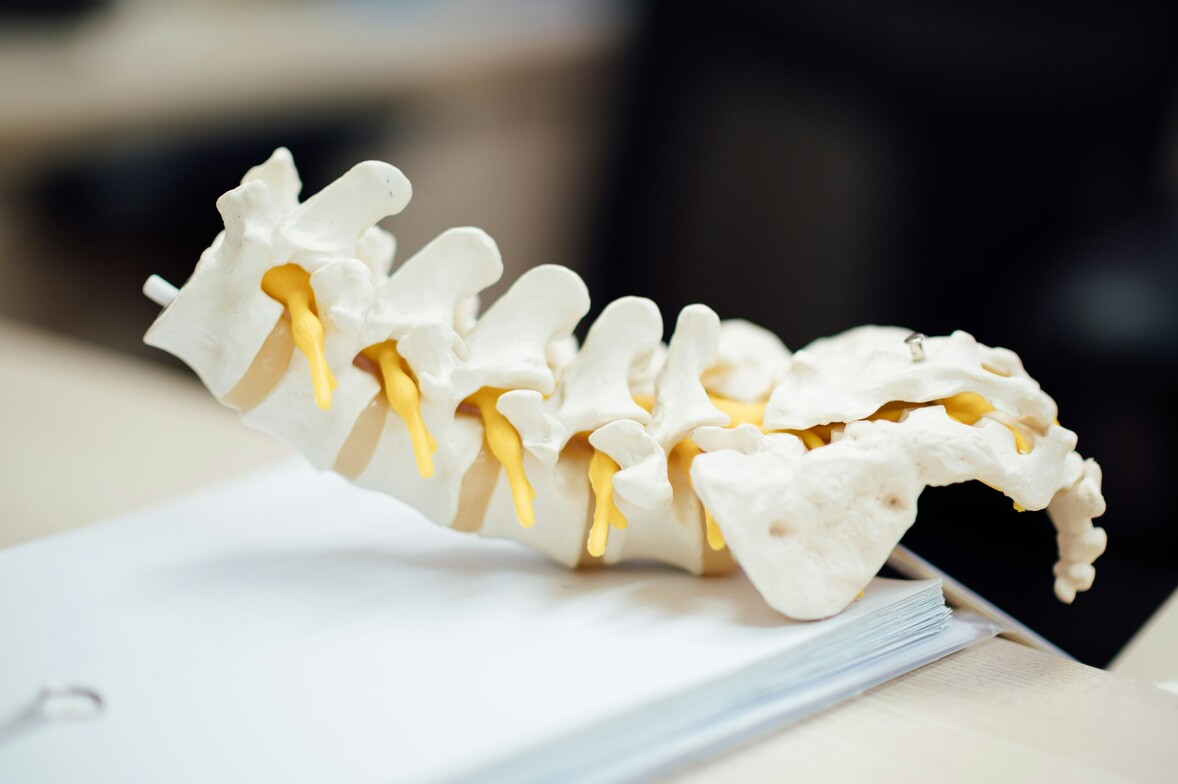
Your spine is a stack of small joints, not a single rigid pole. For a bone to truly slip out of place, the joint surfaces would have to lose contact with each other. That is a dislocation, and it involves serious trauma. It is not what is happening when your back feels stiff after a long day at a desk.
What is far more common is that a joint gets stuck. It stops moving through its full, normal range. Clinicians call this a fixation or a restriction, and it is a functional problem rather than a positional one.
So Why Does It Feel Like Something Is Out of Place
When one joint gets stuck, the joints around it have to work harder to make up for the lost motion. That extra workload is often where you feel the ache, the tightness, or the pinch. The stuck joint may be quiet, while its overworked neighbor is the one complaining.
This is why the spot that hurts is not always the spot that needs the most attention. A careful movement based exam helps sort out which joints are restricted and which ones are simply carrying more than their share.
What an Adjustment Actually Does
A chiropractic adjustment is not about shoving a bone back into a slot. It is a quick, targeted input that helps restore motion to a joint that has become restricted. Once that joint moves more freely, the surrounding muscles and tissues often settle down on their own.
This also explains something patients ask about often. If a bone was never truly out of place, then care is less about a single dramatic correction and more about restoring healthy movement so your body can do what it does best.
Why Movement Matters So Much
Joints are built to move. When they stop moving well, the surrounding muscles and ligaments can tighten, and stiffness can set in over time. Keeping your spine mobile through both care and everyday movement may help you feel and function better in the long run.
The Takeaway
Your spine is a dynamic, moving structure, not a tower of blocks waiting to topple. When something feels off, it is usually a movement problem rather than a bone that has drifted out of position. That is good news, because movement is something we can assess and work to restore.
If you have been dealing with stiffness, aches, or that nagging feeling that something is "out," we would be glad to take a look. You can request a visit at evolvechiromi.janeapp.com or learn more at evolvechiromi.com.
This article is for general education and is not a substitute for an individual evaluation. Results vary from person to person.

Nicholas Duchene
Contact Me