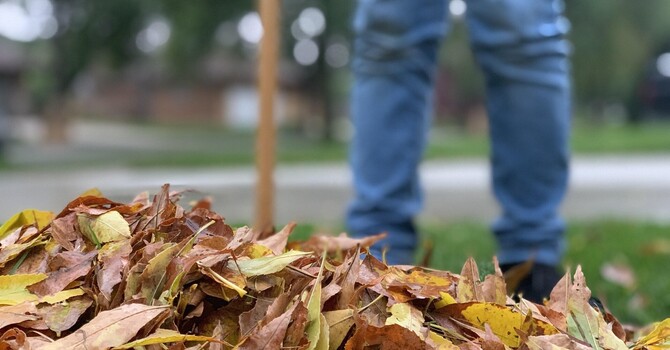
Every spring, the same thing happens. The snow finally melts, the yard needs attention, and people spend a weekend doing more physical work than they've done in months. By Sunday evening, their lower back is screaming.
It's one of the most predictable patterns we see at Evolve Chiropractic in Clinton Township. Spring yard work sends a wave of back pain patients through the door every year — and most of it is preventable.
Why Yard Work Is Hard on Your Back
After a long Michigan winter, your body has been relatively sedentary. Muscles are tighter, movement patterns are rustier, and your core and posterior chain haven't been loaded the way they would be during an active season.
Then spring arrives and you spend four hours shoveling mulch, raking leaves, digging garden beds, and hauling heavy bags of soil. That's a significant physical demand on a body that wasn't prepared for it.
The movements involved in yard work — bending, twisting, lifting, reaching — are exactly the movements that load the lumbar spine under unfavorable conditions. Add fatigue, poor body mechanics, and uneven terrain, and the risk of injury climbs quickly.
The Most Common Yard Work Injuries We See
Most spring yard work injuries fall into one of a few categories. Muscle strains and ligament sprains are the most common — usually felt as a sharp or aching pain in the lower back after bending or lifting, sometimes extending into the glutes or upper thighs.
Disc irritation is another frequent culprit. Repetitive forward bending combined with lifting — think bagging yard waste or planting — compresses the intervertebral discs in a way that can cause sharp localized pain, stiffness, or referral down the leg.
Sacroiliac (SI) joint dysfunction is also common after yard work, particularly with tasks that involve shifting your weight unevenly, like digging or reaching across your body. SI joint pain often presents as a deep ache on one side of the low back, near the beltline.
How to Protect Your Back This Spring
The single best thing you can do before starting yard work is warm up. Five to ten minutes of walking, hip circles, gentle forward bends, and bodyweight squats will prime your muscles and joints for the work ahead. It sounds simple because it is — and it makes a measurable difference.
When lifting — bags of mulch, pots, equipment — keep the load close to your body, hinge at the hips, and avoid twisting while you're bearing weight. Set the object down first, then turn. That sequencing protects your discs and the muscles that support them.
Take breaks before you feel like you need them. Fatigue is when mechanics break down and injuries happen. A five-minute rest every 30 to 45 minutes of physical work gives your spine a chance to recover between loading cycles.
If you're doing extended kneeling or low-to-the-ground work like weeding or edging, use a kneeling pad and switch positions regularly. Staying in one static posture for a long stretch — even a low-demand one — builds tension in the hips and lumbar spine over time.
What to Do If Your Back Hurts After Yard Work
If you finished the weekend with a sore back, the first 24 to 48 hours are the most important. Keep moving — gentle walking and light stretching are better than rest alone. Ice can help with acute inflammation in the first day or two. Heat is generally more appropriate after the initial acute phase has passed.
If the pain is significant, not improving after a few days, or accompanied by any numbness, tingling, or symptoms radiating down your leg, that's your signal to get evaluated. Those patterns suggest nerve involvement, and the sooner it's assessed, the better.
Chiropractic care is well-suited for yard work injuries. Spinal manipulation, soft tissue work, and targeted rehab exercises address the structural cause of the pain — not just the symptoms. Most uncomplicated strains and sprains respond quickly with the right care.
Don't Wait for It to Become a Bigger Problem
The patients who recover fastest are usually the ones who come in early. A back that's been hurting for three weeks is harder to treat than one that's been hurting for three days. If your body is telling you something is wrong, it's worth listening.
At Evolve Chiropractic, we work with a lot of active, hardworking people throughout Macomb County — people who don't have time to be sidelined by back pain. Our goal is to get you evaluated, get you moving, and get you back to doing what you need to do.
If your back is bothering you after yard work this spring, book an appointment online at or give a call today at (586)791-5506
Evolve Chiropractic is located at 19199 15 Mile Rd, Clinton Township, Michigan 48035, serving patients throughout Macomb County and the surrounding Metro Detroit area.
Nicholas Duchene
Contact Me