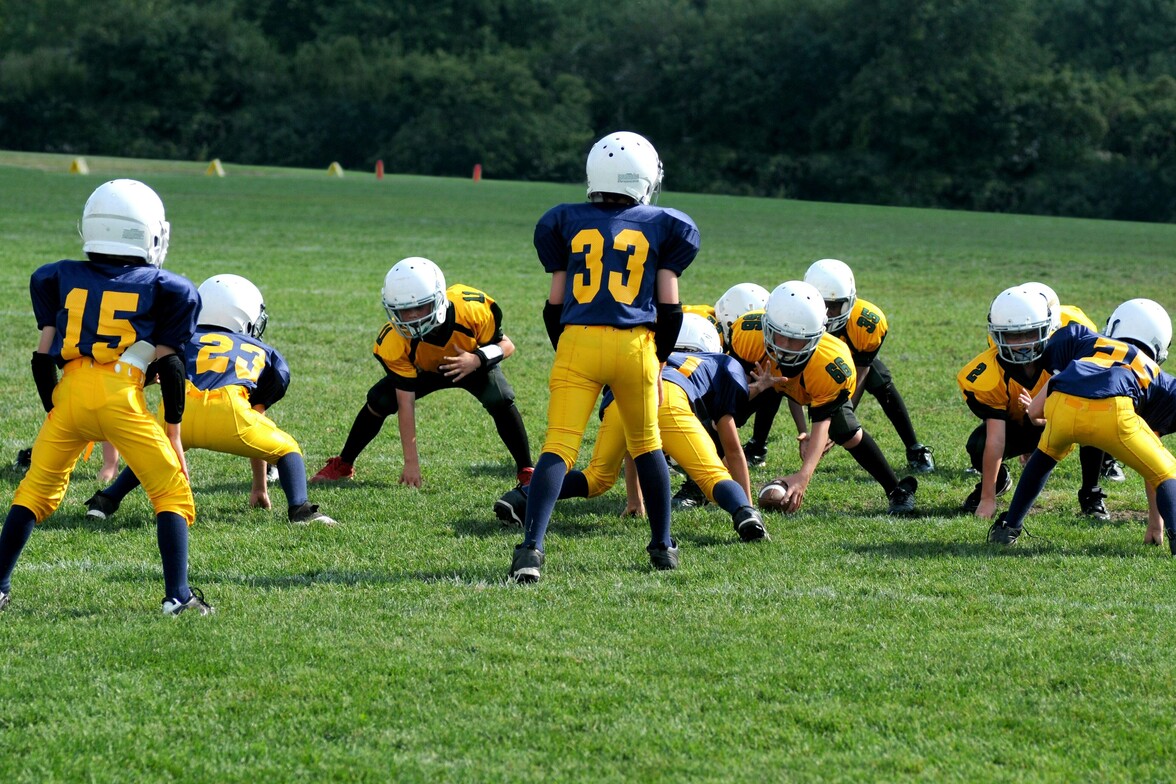
Fall is one of the busiest sports seasons of the year in Macomb County. Friday night football, travel soccer, cross country meets, volleyball tournaments, and the first hockey practices of the winter all overlap in a few short months. For young athletes, that often means more practices, more games, and less recovery time than any other point in the year.
At Evolve Chiropractic in Clinton Township, fall is also when we start seeing a familiar group of patients: student athletes who are "playing through" something. A sore back that won't settle down. A shin that aches every morning. A neck that has felt stiff since a hard tackle two weeks ago. Most of these issues are very manageable when they are caught early. The trouble usually starts when they are ignored.
Why Fall Season Is Hard on Growing Bodies
Many young athletes jump straight from a relaxed summer into a demanding fall schedule. Two-a-day practices, conditioning drills, and weekend tournaments can pile on load faster than muscles, tendons, and joints can adapt.
Growth plays a role, too. During growth spurts, bones can lengthen faster than the surrounding muscles and tendons, which may leave young athletes temporarily tighter and less coordinated. Add in multi-sport schedules with little rest between seasons, and the risk of overuse injuries tends to climb.
Common Fall Sports Injuries We See
Low back pain. Repeated extension and rotation in sports like football, volleyball, gymnastics, and hockey can irritate the joints and soft tissues of the lower back. Persistent low back pain in an adolescent athlete, especially pain that worsens when arching backward, deserves a proper evaluation rather than a wait-and-see approach.
Neck and upper back strain. Contact sports and awkward falls can strain the muscles and joints of the neck. Stiffness, reduced range of motion, or headaches after a hit are worth paying attention to.
Shin splints and knee pain. Cross country runners and soccer players often deal with pain along the shins or around the kneecap, usually linked to a quick jump in mileage, worn-out shoes, or foot mechanics.
Ankle sprains. Uneven fields and quick cuts make rolled ankles one of the most common sports injuries at any age. Even after the swelling goes down, lingering stiffness or weakness can set the stage for the next sprain.
Hip and groin strains. Sprinting, kicking, and skating put heavy demands on the hip flexors and adductors, particularly early in the season.
A Note About Head Injuries
Any athlete with a suspected concussion should be removed from play and evaluated by an appropriate medical provider before returning. Signs can include headache, dizziness, confusion, sensitivity to light or noise, nausea, or simply "not feeling right" after a hit. Michigan has specific return-to-play requirements for youth athletes with suspected concussions, and those protocols come first. Neck pain that follows a head injury should be assessed with that history in mind.
Signs Your Athlete Should Get Checked
Soreness after a hard practice is normal. These signs suggest something more may be going on:
- Pain that lasts longer than a week or keeps coming back
- Pain that changes how they run, throw, or move
- Pain that wakes them up at night or is present at rest
- Numbness, tingling, or weakness in the arms or legs
- Swelling, limping, or favoring one side
- Taping, stretching, or pain relievers becoming part of the pre-game routine
Young athletes are often reluctant to speak up because they don't want to lose playing time. Parents and coaches noticing these patterns can make a real difference.
How Sports Chiropractic Can Help
Dr. Nick Duchene is a Certified Chiropractic Sports Physician (CCSP), with additional training in evaluating and managing athletic injuries. A visit with us starts with a thorough history and exam to understand what is actually driving the pain, not just where it hurts.
Depending on the findings, care may include:
- Gentle chiropractic adjustments to improve joint motion
- Instrument-assisted soft tissue work (Graston) for tight or irritated muscles and tendons
- Targeted home exercises to build strength, mobility, and control
- Guidance on training load, rest days, and a safe return to full activity
- Foot and gait assessment, with custom orthotics when appropriate
If an exam suggests something that needs imaging or a referral to another specialist, we will tell you and help coordinate that next step. Our goal is to keep your athlete healthy and in the game for the long run, not just for Friday.
Simple Ways to Reduce Injury Risk This Season
Warm up with movement. Five to ten minutes of dynamic warm-ups like leg swings, lunges, skips, and light jogging may help prepare the body better than static stretching alone.
Build up gradually. Big, sudden jumps in training volume are a common path to overuse injuries. Increasing mileage or practice intensity step by step gives the body time to adapt.
Protect rest days. At least one to two days off from organized sports each week, and time away from a single sport during the year, are commonly recommended for young athletes.
Prioritize sleep and fuel. Growing athletes need plenty of sleep, regular meals, and good hydration to recover between sessions.
Check the gear. Worn-out cleats and running shoes, and poorly fitted pads or helmets, can quietly add strain.
Sports Chiropractic Care in Clinton Township
Evolve Chiropractic is proud to care for athletes and families across Clinton Township, Macomb, Sterling Heights, Mount Clemens, Roseville, and the rest of Macomb County. Whether your athlete is dealing with a nagging injury or you simply want a check-up before the heart of the season, we are here to help.
Our office is located at 19199 15 Mile Rd, Suite B, Clinton Township, MI 48035. You can book an appointment online or learn more about our approach to sports injury care.
This article is for general educational purposes and is not a substitute for an individual evaluation. If you have questions about a specific injury, please reach out to our office or your healthcare provider.

Nicholas Duchene
Contact Me