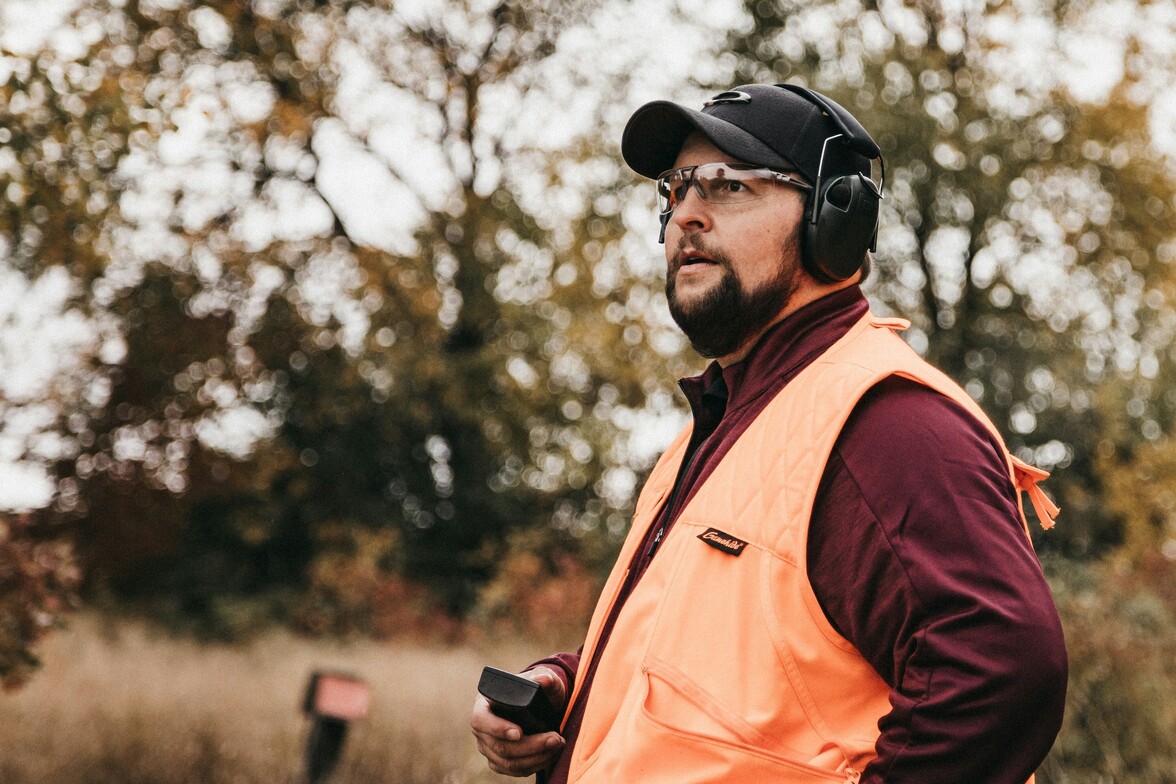
Bow season has been open since October 1, and the Michigan firearm opener on November 15 is circled on a lot of calendars around Macomb County. For many hunters, it is the best two weeks of the year.
It is also one of the most physically demanding. Most of us spend the off season at a desk or behind the wheel, then ask our bodies to climb, haul, sit motionless in the cold for hours, and drag a deer out of the woods. At Evolve Chiropractic, we see the results every November. Here is what hunting does to your back, and how to make sure a sore spine does not cut your season short.
Why Deer Season Is Tougher on Your Body Than It Looks
Hunting combines a few things your spine does not handle well, especially all at once. Before you ever see a deer, you may be carrying a pack, a climbing stand, or a ground blind over uneven ground in the dark. Climbing into a stand puts a lot of load through the shoulders and low back while you are reaching, pulling, and twisting.
Then comes the sit. Hours in a cold stand or blind, often hunched forward and turned to one side to watch a shooting lane, leaves the muscles of the neck, upper back, and hips stiff and tight. Cold muscles are less pliable, so the first quick movement after a long sit, like drawing a bow or swinging a rifle, can be the one that strains something.
And if the hunt goes well, the hardest part is still ahead. Dragging a deer means pulling well over a hundred pounds while bent forward, usually with one arm, across brush and logs, at the end of a long cold day when you are already tired.
What We Commonly See During Hunting Season
- Low back strain: a deep ache or tightness after dragging, often worse when bending or getting out of a chair.
- SI joint pain: pain near the base of the spine or into one buttock, common after climbing and uneven terrain.
- Neck and upper back stiffness: from long sits turned to one side or looking down from a stand.
- Shoulder strain: from drawing a bow repeatedly, hauling gear up a pull rope, or one-armed dragging.
- Hip and knee soreness: from climbing ladder stands and hiking hills and swamp edges.
Get Your Body Ready Before Opening Day
- Walk with your gear. A few loaded walks with your pack in the weeks before the opener can help your back and legs adapt.
- Work on your hips. Tight hips make your low back do extra work. Gentle hip flexor and glute stretches a few times a week go a long way.
- Build your grip and upper back. Rows and farmer carries prepare you for hauling, climbing, and dragging.
- Practice your draw in your hunting clothes. Heavy layers change your form, and an awkward draw is hard on the shoulder.
- Haul gear up with a rope. Never climb with a bow, rifle, or heavy pack on your back. It is safer, and it spares your spine.
Staying Loose During a Long Sit
You cannot get up and stretch every twenty minutes without spooking deer, but small movements help. Every so often, slowly squeeze your shoulder blades together, gently tuck your chin, and shift your weight from one hip to the other. A cushioned seat and a back rest that lets you sit tall, rather than slumping forward, can make a real difference by the end of a morning.
Dress in layers so your muscles stay warm, and give yourself a minute to move before you climb down or stand up quickly. Stiff, cold muscles appreciate a slow start. And always wear a full-body safety harness connected to the tree from the moment you leave the ground until you are back on it.
How to Get Your Deer Out Without Wrecking Your Back
- Use a deer cart or sled. Rolling or sliding a deer takes a fraction of the strain of a bent-over drag.
- Use a drag harness. A shoulder harness lets you stay upright and pull with your legs instead of your low back and one arm.
- Bring a buddy. Two people dragging is far easier than one. Most hunting partners are happy to return the favor.
- Take frequent breaks. Stop, stand up straight, catch your breath, and then keep going. There is no prize for doing it in one push.
- Get help loading. Lifting a deer into a truck bed is one of the riskiest moments of the day. Use a ramp, a hoist, or a second set of hands.
When It Is More Than a Sore Back
Most hunting aches are muscular and improve with time and good care. Some situations need medical attention right away. Call 911 or go to the emergency room if you experience:
- Any fall from a tree stand, even if you feel okay at first
- Chest pain or pressure, shortness of breath, or pain spreading into the arm or jaw while dragging or hauling
- Numbness in the groin or inner thighs, or new trouble controlling your bladder or bowels
- Weakness in a leg or foot that is getting worse
Dragging a deer in cold weather is heavy exertion, and it can be a real strain on the heart, especially for hunters who are not active the rest of the year. If you have heart concerns, talk with your doctor before the season.
How Sports Chiropractic Care May Help
Hunting is a physical activity, and we approach hunting injuries the same way we approach any sports injury. Dr. Nick Duchene is a Certified Chiropractic Sports Physician (CCSP), and his focus is finding what is actually driving your pain and getting you back to full activity safely.
Depending on your exam, care may include chiropractic adjustments to restore motion in stiff joints, Graston Technique and other soft tissue work for tight, overworked muscles, and a short home exercise program you can do between visits and before your next sit. For many hunters, a visit or two before the opener can help catch small problems before they become big ones.
Whether you are hunting state land up north or a family property closer to home, our goal is simple: keep you comfortable in the stand and able to enjoy the whole season.
Get Ready for Opening Day
Evolve Chiropractic proudly serves hunters in Clinton Township, Sterling Heights, Macomb, Harrison Township, Roseville, and communities throughout Macomb County. We are located at 19199 15 Mile Rd, Suite B, Clinton Township.
Book Your Visit Online
Nicholas Duchene
Contact Me