Are Chiropractors Real Doctors? A Guide to Chiropractic Degree, Training, and Scope of Practice
"Are chiropractors doctors?" is one of the most commonly searched questions before a first chiropractic appointment, and it deserves a direct answer. Chiropractors are licensed doctors, but not medical doctors. They earn a Doctor of Chiropractic degree through an accredited chiropractic graduate program, pass national board exams, and are legally recognized healthcare providers in all fifty states. What they are not is a doctor of medicine or a practitioner of osteopathic medicine. Their training and scope of care are deliberately narrower, built around the musculoskeletal system and nervous system rather than the full breadth of clinical medicine. This guide explains what that means for patients considering chiropractic care.
Are Chiropractors Real Doctors? Defining the Profession
What Is a Chiropractor?
A chiropractor is a licensed healthcare practitioner who diagnoses and treats conditions affecting the musculoskeletal system and nervous system, with particular focus on the spine. The profession sits within the broader categories of complementary medicine and alternative medicine, distinct from conventional allopathic care but fully licensed and regulated in every U.S. state. The American Chiropractic Association represents the profession nationally and promotes evidence-based chiropractic medicine across clinical and policy settings.
To hold the title Doctor of Chiropractic, a person must graduate from an accredited chiropractic degree program and maintain an active state license, the same structural requirement that governs other licensed doctoral healthcare professions such as dentistry, optometry, and podiatry.
Chiropractic Scope of Practice
Chiropractic services are defined by individual state licensing boards rather than a single federal standard, so scope of practice can vary by jurisdiction. Most state licenses cover the following chiropractic procedures: obtaining a complete health history, performing a physical examination, ordering and interpreting radiology studies including X-rays, performing spinal and extremity adjustments, applying manual soft tissue techniques, and recommending therapeutic exercise and lifestyle guidance. Prescribing medication and performing surgery are not within scope in any U.S. state. The focused scope of chiropractic medicine reflects deep specialized training in the musculoskeletal system rather than a limitation of rigor.
Chiropractic Degree and Education
The Chiropractic Degree Program
Prospective students entering a chiropractic graduate program must first complete at least three years of undergraduate coursework, a minimum of 90 semester hours, including science prerequisites such as biology, general chemistry, organic chemistry, physics, and kinesiology. Most applicants hold a full bachelor's degree before applying to a chiropractic degree program.
The Doctor of Chiropractic degree is conferred by programs accredited by the Council on Chiropractic Education (CCE), recognized by the U.S. Department of Education. These are four-year doctoral programs requiring a minimum of 4,200 instructional hours covering basic sciences, clinical sciences, spinal anatomy, radiology, chiropractic techniques, clinical reasoning, and practice management. Chiropractic students complete a supervised clinical internship during the final portion of the program, gaining direct clinical experience treating real patients under licensed faculty before entering independent practice.
Licensing and Chiropractic Credentials
Earning a chiropractic degree alone does not authorize practice. Graduates must pass the National Board of Chiropractic Examiners (NBCE) exam series, a four-part assessment covering basic sciences, clinical sciences, clinical applications, and practical technique skills. All fifty states either require or accept NBCE scores as part of their licensure evaluation.
Candidates then apply for state licensure through their state chiropractic board, typically completing a background check and a state-specific jurisprudence exam on local scope of practice rules. Maintaining chiropractic credentials requires ongoing continuing education set by each state board. Many practitioners pursue additional postgraduate certifications in areas such as sports medicine, clinical orthopedics, or pediatrics, expanding their clinical applications beyond the core degree.
Chiropractic vs. Medical School Training
Curriculum Comparison
Chiropractic and medical training share a common foundation in the basic sciences. Both require rigorous prerequisite coursework and years of study in anatomy, physiology, biochemistry, and pathology. Both involve supervised patient care before independent practice. The difference lies in direction rather than difficulty. A doctor of medicine trains across every organ system, covering pharmacology, surgery, and the full spectrum of medical specialties. A chiropractic degree program concentrates on the musculoskeletal system, spinal anatomy, manual technique, and clinical reasoning for neuromusculoskeletal conditions. It is a difference of breadth versus depth, and both prepare medical professionals for the patient populations they are designed to serve.
Training Length and Residency
In total instructional hours, the chiropractic degree program compares closely to medical school at the doctoral level: four years following undergraduate study, with a minimum of 4,200 training hours. The significant difference comes after graduation. Medical practitioners in a doctor of medicine or osteopathic medicine track complete mandatory residency training of three to seven or more years post-graduation, adding thousands of additional supervised clinical hours in hospital and specialty settings. Chiropractic does not currently require a mandatory residency for general licensure, though voluntary postgraduate residency programs in physiotherapy, clinical orthopedics, and practice management continue to expand. This gap in post-graduate training is the primary reason the two professions carry different scopes of practice.
Legal Status of Chiropractors in the U.S.
State Licensing and Regulations
Chiropractic care is licensed in all fifty states, the District of Columbia, Puerto Rico, and the U.S. Virgin Islands. Each state maintains a dedicated chiropractic licensing board that establishes rules governing scope of practice, continuing education hours, and professional conduct. The legal right to perform chiropractic manipulations, spinal manipulation therapy, and adjunct modalities such as acupuncture, in states where it falls within scope, varies by jurisdiction.
Federal Recognition of Chiropractic Doctors
At the federal level, the Social Security Act includes chiropractors within its definition of physician under Medicare Part B, specifically for manual manipulation of the spine to correct a documented subluxation. Chiropractors are also recognized providers under the Department of Veterans Affairs, the Department of Defense, the Federal Employee Health Benefits Program, and most workers' compensation systems nationwide. The Doctor of Chiropractic is a legitimate professional doctorate issued through accredited programs and recognized by the U.S. Department of Education, not an informal or honorary designation.
Chiropractic Treatment for Back Pain, Neck Pain, and Sciatica

Spinal Adjustments and Manipulation
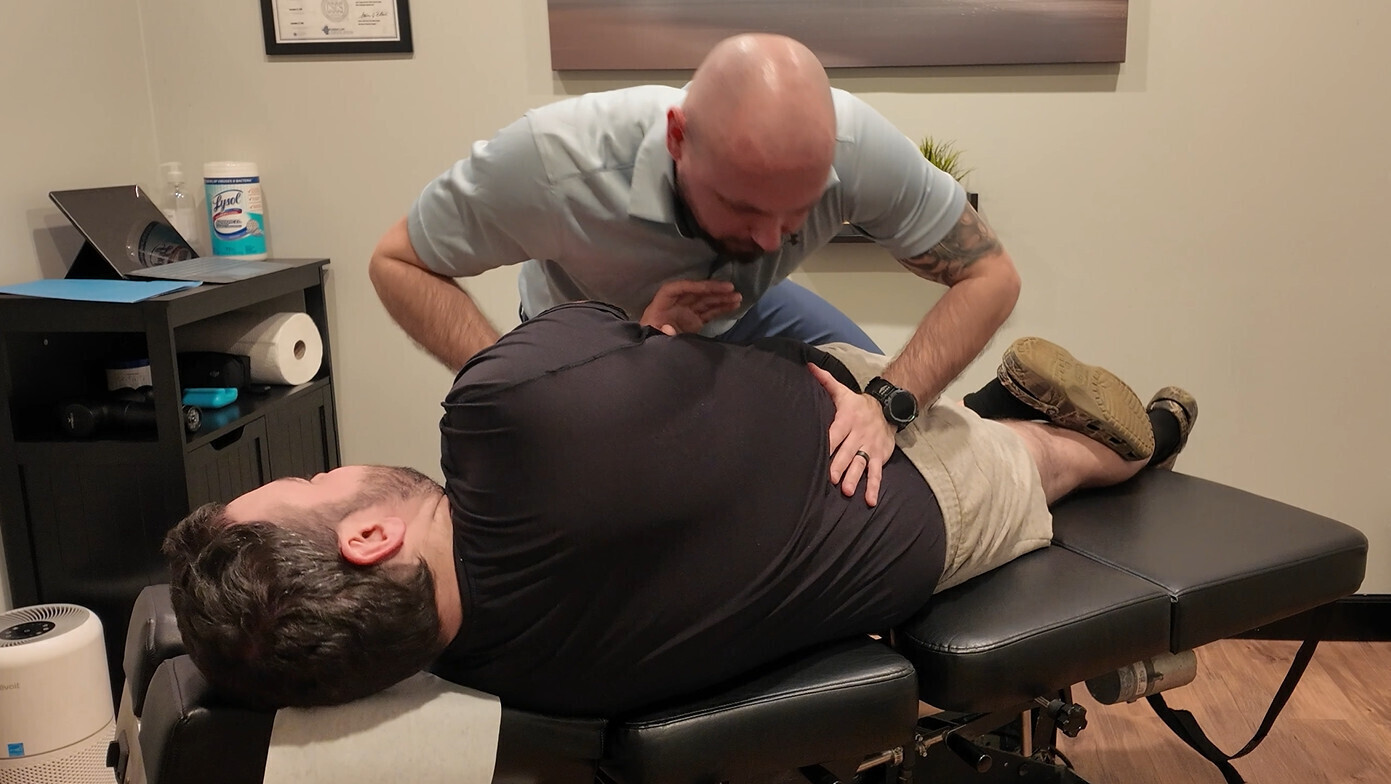
Back pain, neck pain, and sciatica are among the most common conditions driving patients to seek chiropractic services. The chiropractic adjustment, also referred to as spinal manipulation therapy, is the profession's core technique. It involves applying a controlled force to a restricted joint to restore normal movement and reduce nerve irritation. Chiropractic manipulations vary in application: many practitioners use hands-on Diversified technique, while others use instrument-assisted methods for lower-force adjustments suited to patients who prefer a gentler approach.
Low back pain carries the strongest supporting research. Sciatica, involving pain radiating along the sciatic nerve from the lower spine into the leg, also responds well to chiropractic therapy in many patients. Neck pain, joint pain, and back pain related to postural strain, occupational stress, or sports activity are treated regularly within chiropractic practice.
Additional Chiropractic Therapies and Modalities
Chiropractic methods extend beyond the adjustment. Many practitioners incorporate soft tissue techniques including myofascial release and instrument-assisted soft tissue mobilization, along with modalities such as electrical stimulation, ultrasound, and heat or cold application. Spinal decompression therapy is offered at some practices for disc-related conditions. Rehabilitation exercises and physiotherapy are commonly integrated into care plans to support lasting improvement in function and spinal alignment. Chiropractic therapy may complement other approaches including physical therapy, acupuncture, and complementary medicine for patients managing complex or chronic pain conditions.
Benefits and Limitations of Chiropractic Care
Potential Health Benefits
The strongest clinical evidence for chiropractic care covers musculoskeletal conditions, particularly low back pain. The American College of Physicians recommends spinal manipulation alongside other non-drug approaches, including heat therapy and acupuncture, as a first-line option before medication for acute and subacute cases. This guideline comes from outside the chiropractic profession, lending additional clinical credibility to the recommendation. Evidence also supports chiropractic therapy for neck pain, sciatica, headache, and certain types of joint pain. Patients commonly report reduced pain, improved spinal alignment, and better range of motion following a structured course of care.
Understanding the Limitations and Risks
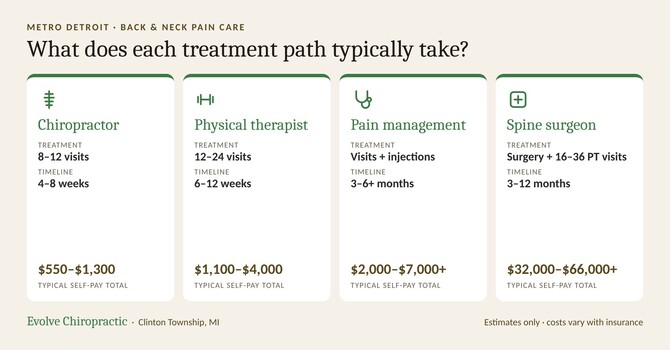
Chiropractic care is not appropriate for every condition. Acute fractures, spinal infections or tumors, severe osteoporosis, certain vascular conditions, and neurological emergencies such as cauda equina syndrome require prompt medical or surgical referral rather than manual therapy. A responsible chiropractor screens for these contraindications through history-taking and physical examination before any treatment is recommended. The most common adverse effect of chiropractic manipulations is temporary soreness or stiffness, typically resolving within one to two days. Serious complications are rare. On the topic of chiropractor cost, most major insurers including Medicare cover spinal manipulation when medically indicated, though coverage for adjunct chiropractic procedures varies by plan. Chiropractor salary is a separate question prospective students often research, and it varies significantly by geography, setting, and specialty focus.
Collaboration Between Chiropractors and Medical Professionals
Chiropractic practitioners increasingly work alongside physicians, physical therapists, and other medical professionals in coordinated care settings, particularly in sports medicine, spine care, and veteran health systems. Referrals move in both directions. A chiropractor identifying a fracture, infection, or condition outside scope refers out promptly. A primary care physician managing chronic pain, back pain, or neck pain unresponsive to medication may refer a patient to a chiropractor as a non-drug first-line option. This collaborative model reflects growing recognition that early access to chiropractic services often reduces downstream reliance on imaging, prescription medication, and more invasive intervention, with practical benefits for both patient outcomes and cost of care.
What to Expect from Chiropractic Care
Initial Consultation and Physical Examination
A first visit begins with a comprehensive health history covering current symptoms, prior injuries, medications, and red-flag screening for conditions requiring medical referral. The chiropractor then performs a physical examination that typically includes postural assessment, range-of-motion testing, orthopedic and neurological screening, and palpation of the spine and surrounding soft tissue. Radiology, most often plain X-ray, may be ordered depending on findings before treatment begins. The visit closes with a care plan discussion outlining the diagnosis, proposed chiropractic procedures, measurable goals, and an expected treatment timeline. Patients should understand what is being recommended and why before any treatment starts.
Typical Chiropractic Treatment Session
Follow-up sessions are shorter and more focused. A typical session includes a brief reassessment, the chiropractic adjustment, and any supporting therapy included in the plan such as soft tissue work or modalities. Most sessions run fifteen to thirty minutes. Care is generally structured in phases, with more frequent visits during the acute phase, tapering as symptoms improve. Any decision about ongoing periodic care should be patient-driven and clearly explained, not assumed as an open-ended requirement of practice management.
Is Chiropractic Medicine Evidence-Based?
Research and Clinical Evidence
The evidence base supporting chiropractic medicine has strengthened substantially in recent decades. For low back pain, major clinical guidelines now position spinal manipulation therapy alongside physical therapy and other non-drug interventions as a clinically appropriate starting point before medication. Evidence for neck pain, sciatica, and certain headache types is also favorable, though evidence quality varies by condition. Evidence-based practitioners treat chiropractic manipulations as one component of a broader care plan that includes exercise, patient education, and clear clinical reasoning about when to refer, rather than a standalone solution for all conditions.
Questions about the legitimacy of chiropractic medicine are more often rooted in historical stigma than in current educational or licensing reality. The chiropractic degree program is a recognized doctoral education in the health sciences, chiropractic credentials are issued and regulated by state licensing boards in every U.S. jurisdiction, and chiropractic services are increasingly integrated into mainstream healthcare delivery, including hospital-based spine programs and military health systems. Choosing a practitioner who applies evidence-informed chiropractic methods is a reasonable expectation for any patient, and asking about their clinical approach and training at the first visit is entirely appropriate.
If you are dealing with back pain, neck pain, sciatica, chronic pain, or another musculoskeletal condition and want to know whether chiropractic care could help, the most useful step is a direct conversation with a licensed provider. Dr. Nicholas Duchene at Evolve Chiropractic in Clinton Township serves patients across Macomb County and welcomes new patients for an initial consultation. You can schedule online at evolvechiromi.janeapp.com.